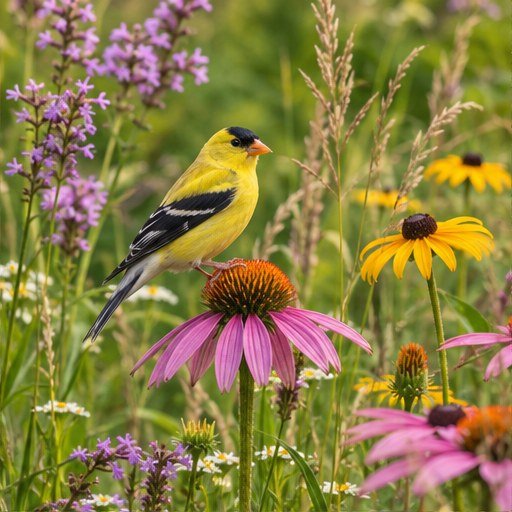
American Goldfinch
Look for a small finch shape, a lively bounding flight, and a preference for seed-rich plants. Plumage changes across the year.

You do not need to name every bird to enjoy a trail. Start with shape, color, movement, and sound. A field guide can help you check a guess without disturbing the bird.
Illustrative starter notes for common U.S. birdwatching moments. Range and appearance can vary by age, season, and location.
Look for a small finch shape, a lively bounding flight, and a preference for seed-rich plants. Plumage changes across the year.
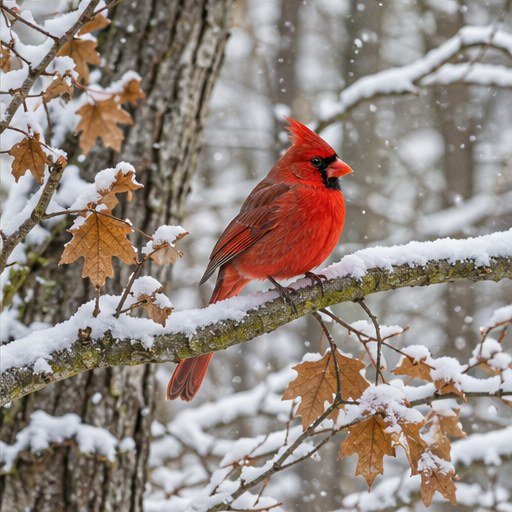
The crest and sturdy bill are useful clues. Listen for clear whistles, especially in places with shrubs and cover.
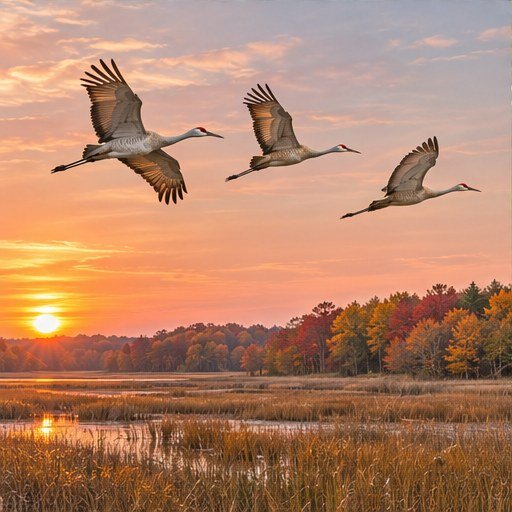
Notice the long neck and legs held out in flight, along with the group’s broad, measured wingbeats.
Write down the size, silhouette, beak shape, colors, habitat, and behavior you noticed. Add a quick sketch if it helps. Then compare your notes with a trusted field guide.
Photos and sound recordings can help, but avoid playback that could stress wildlife. Leave nests, eggs, and young birds undisturbed.