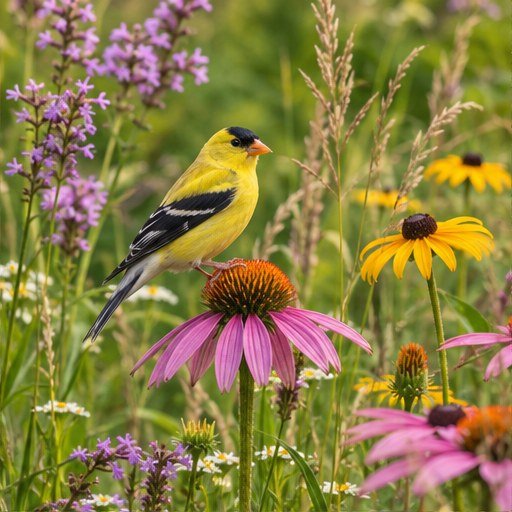
Watch for change
Listen for returning calls and look for movement through parks, wetlands, and open spaces as habitats shift.

Birds move with weather, food, breeding cycles, and habitat. These broad U.S. seasonal notes can help you plan what to look for, but local timing varies from year to year.
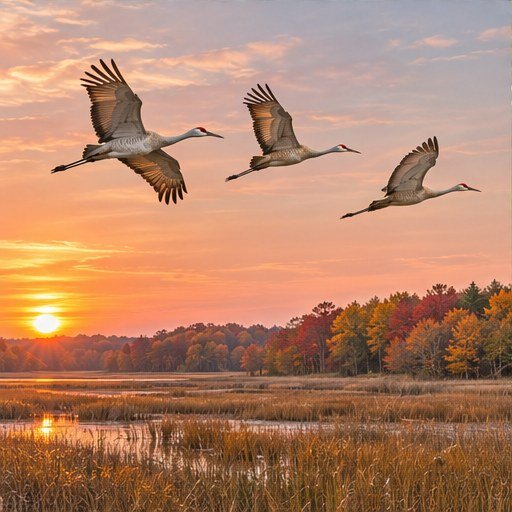
Use these as starting points, not exact arrival calendars. Check regional reports close to your travel date.
Listen for returning calls and look for movement through parks, wetlands, and open spaces as habitats shift.
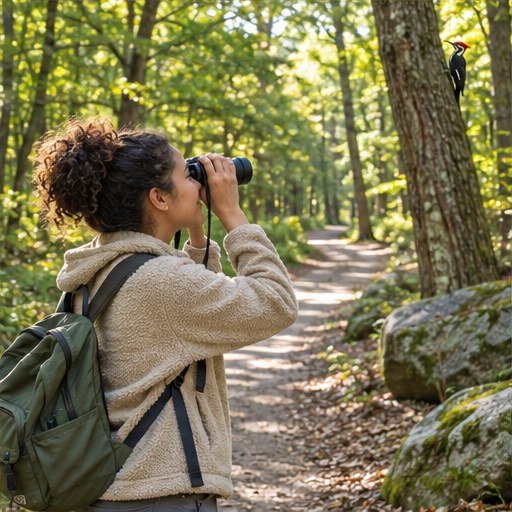
Keep to marked routes and give nesting areas a wide berth. A shaded, shorter walk can be more comfortable.
Migration can bring new activity to familiar places. Look for local forecasts and recent community observations.
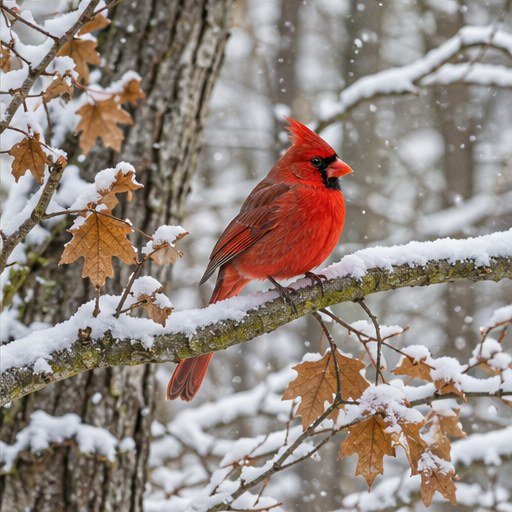
Resident birds may stand out against quieter backgrounds. Dress for wind and check ice or snow conditions first.
A good trip plan combines broad seasonal patterns with real-time local information.
| Check | Why it helps | Where to look |
|---|---|---|
| Recent sightings | Shows what people have observed lately, without guaranteeing what you will see. | Local birding groups and observation tools |
| Weather and daylight | Helps you choose comfortable clothing, timing, and a safe turnaround. | Local weather and sunrise forecasts |
| Access and closures | Some trails or facilities change access seasonally. | Official park, refuge, or trail manager |
| Habitat conditions | Water levels, storms, and land management can affect what is visible. | Site notices and local reports |